Smart Temperature Control System
Temperature Control Equipment
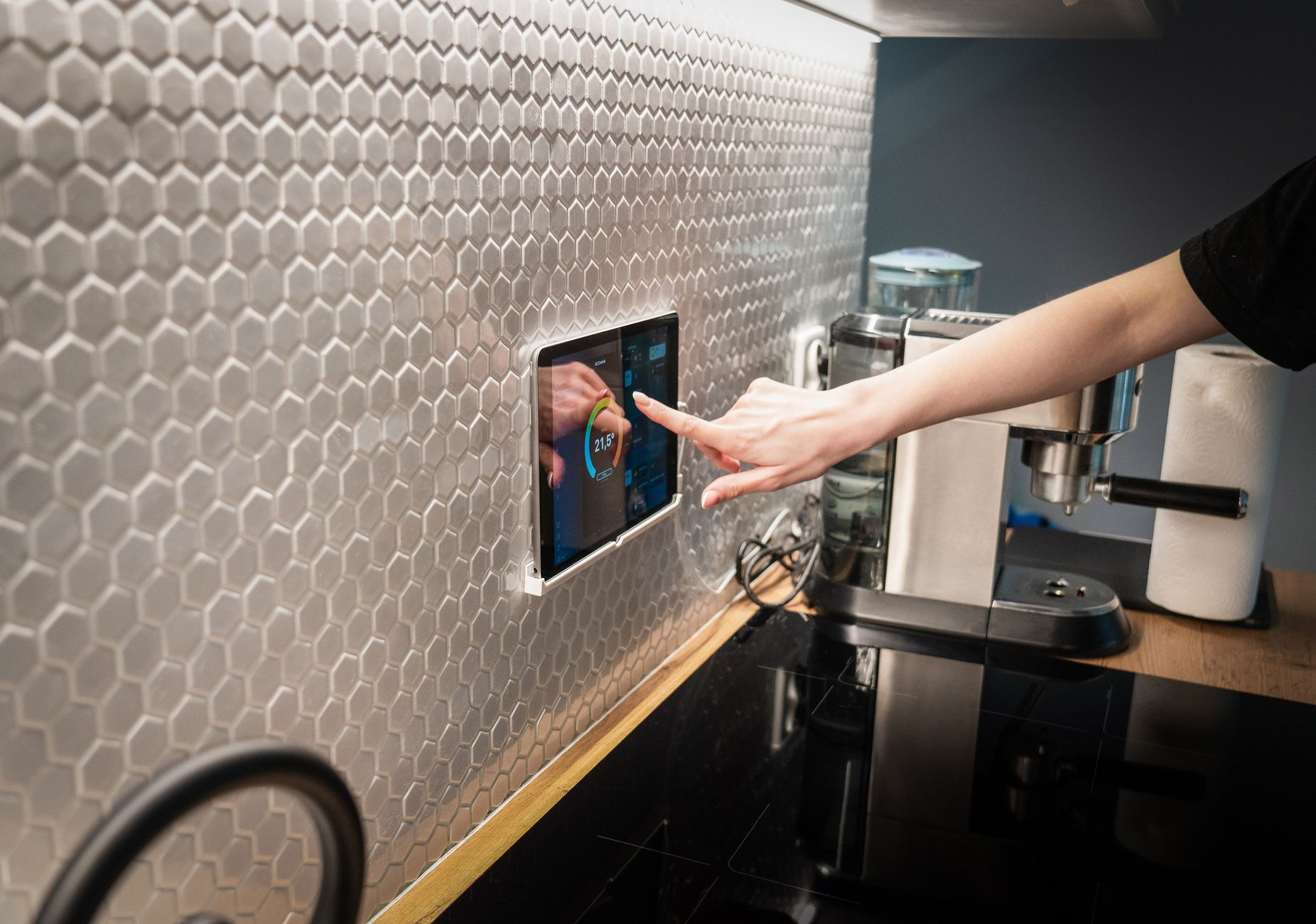
The Smart Temperature Control System is a high-precision device designed to regulate and monitor temperature in industrial environments. It integrates advanced sensors and control algorithms to maintain optimal conditions for processes, equipment, and products. This system ensures consistent performance while adhering to international safety and quality standards.
Main Specifications
| Model | STC-5000 |
| Temperature Range | -40°C to 150°C |
| Control Accuracy | ±0.5°C |
| Power Supply | AC 100-240V, 50/60Hz |
| Communication Protocol | Modbus RTU, Ethernet |
| Operating Humidity | 10% to 90% RH (non-condensing) |
| Certifications | CE, RoHS, UL, FCC |
| Mounting Type | Panel or Wall-Mounted |
| Response Time | Less than 1 second |
| Alarm Features | Temperature Over/Under Limit, Sensor Fault |
Core Advantages
- Ensures compliance with destination market regulations
- High accuracy and reliability for critical industrial applications
- Supports multiple communication protocols for seamless integration
- Built-in alarms enhance operational safety and efficiency
Typical Application Scenarios
- Pharmaceutical manufacturing facilities
- Food and beverage processing plants
- Chemical production lines
- HVAC systems in commercial buildings
- Industrial ovens and drying chambers
Buying Tips for Importers
- Verify that the system meets the specific certification requirements of your target country
- Check if the manufacturer provides technical support in your region
- Ensure compatibility with existing control systems before purchase
- Confirm warranty and service availability for long-term use
Frequently Asked Questions
What certifications should I look for when buying a temperature control system?
Look for CE, UL, and RoHS certifications to ensure compliance with European, U.S., and environmental standards. These certifications confirm safety and quality.
Can this system be used in multiple countries without modification?
Yes, the Smart Temperature Control System is designed with universal power input and supports various communication protocols, making it suitable for use in different regions.
How do I ensure the system complies with local electrical standards?
Always check that the system has been certified by recognized bodies in your target market. Manufacturers often provide compliance documentation upon request.
What should I do if the system fails during operation?
Refer to the manufacturer’s warranty and service policy. Ensure the supplier offers on-site support or replacement options to minimize downtime.